Combat and weapons
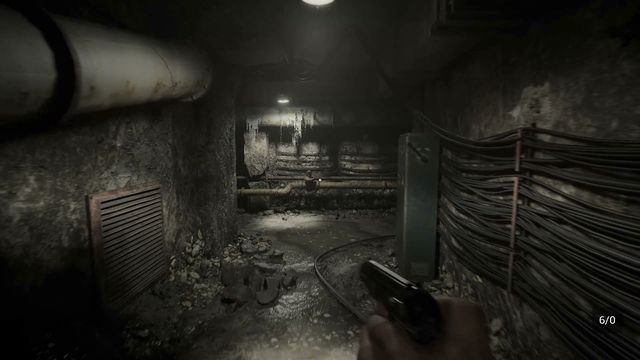
Combat is deliberately unglamorous. The studio points to a realistic weapon system where a jury-rigged sawed-off shotgun behaves nothing like a standard-issue pistol, a knife that catches on bone, and resource management that punishes spraying. Gear choice, not reflexes alone, is the stated advantage.
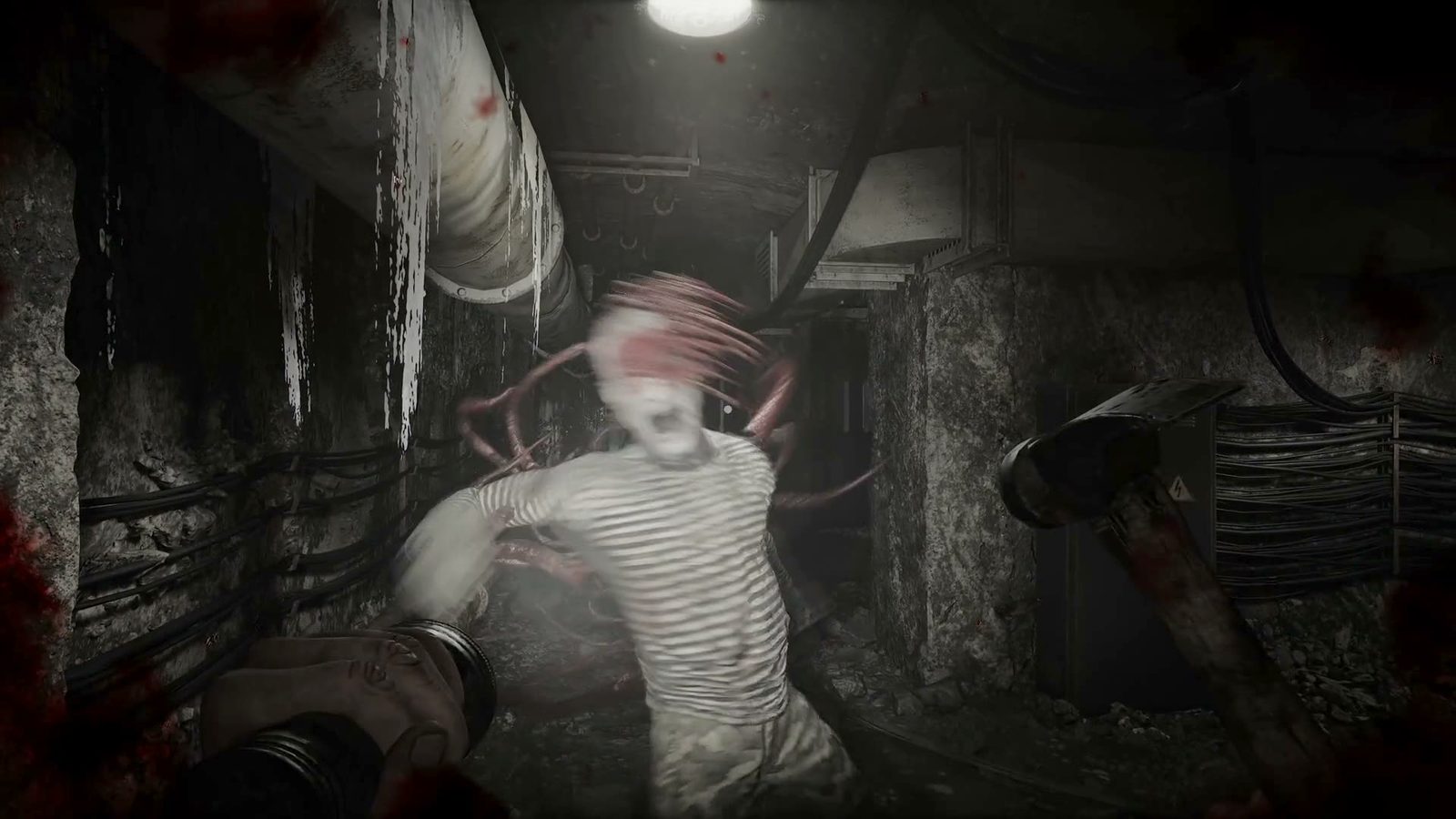
Combat in Nature of Dread is described in a way that is almost hostile to power fantasy. The store page gives weapons a paragraph of their own and spends it on friction: an improvised shotgun, a service pistol, a knife that catches on bone, a blade slipping from blood-slick fingers. Nothing in that list sounds like it is on your side.
The arsenal, as described
Three weapons are named on the Steam listing, and no others.
| Weapon | How the listing frames it | What that implies |
|---|---|---|
| Sawed-off shotgun | "Jury-rigged" | Improvised, short-ranged, loud, probably fragile |
| Military pistol | "Standard-issue" | Reliable, precise, ammunition likely scarce |
| Knife | Bites flesh, catches on bone, slips from blood-slick fingers | Physical, unreliable, no ammunition cost |
That is a deliberately small arsenal. Three weapons with genuinely different handling produce more interesting decisions than fifteen with different damage numbers, because each one forces a question: is this worth the noise, the round, or the risk of getting close?
The phrase "jury-rigged" is doing real work. It implies the shotgun is not a shop-bought item — it is something adapted, which usually means it can be lost, broken or replaced. An improvised weapon is a resource in a way a manufactured one is not.
Realistic is a design word
The pillar is called Realistic Weaponry System, and the store copy clarifies what realism means here: "Smart gear choices and careful resource management will be your greatest advantage."
That sentence relocates combat from aim to planning. If your advantage is gear choice and resource management, then the fight was decided before it started — by what you brought, what you left behind, and whether you chose to have it at all.
The knife paragraph exists to close the loophole. In most horror games the melee weapon is the free option: silent, reusable, no ammo. Here the knife is described as physically unreliable, which means the free option has a cost too — exposure.
How to think about an engagement
You cannot test any of this yet, but the described system produces a consistent decision order. It is worth internalising now because it is the opposite of what shooter habits teach.
- Count what you are carrying before you count enemies. Ammunition is the constraint the page keeps pointing at.
- Ask what the fight costs in noise. The shotgun is described as improvised and short-ranged, which usually means loud. Noise is the currency adaptive enemies are said to read.
- Decide whether the fight is necessary at all. Resource management as a stated advantage means avoidance is a legitimate, intended play.
- Assume the knife is a last resort, not a stealth tool. Catching on bone is the language of a weapon that can fail mid-swing.
- Leave before the pack forms. Pack behaviour is explicitly advertised; a fight that drags is a fight that recruits.
The shotgun-or-pistol question
If both weapons exist in the released game, they will almost certainly not be interchangeable, and the trade-off is legible from the wording alone.
The pistol is the tool you use when you need to solve a specific problem at range: something between you and a door, something on a ledge, something that has not noticed you. Its cost is ammunition, and military-calibre rounds in a sealed settlement should be the scarcest thing you own.
The sawed-off is the tool for the moment the plan has already failed. Short range means you have to be inside the danger to use it, and improvisation means you should not count on a second shot behaving like the first.
The interesting design space is the middle: what you do when you have a shotgun and a corridor, or a pistol and a room. That is where gear choice becomes a real decision rather than a preference.
Gear and the rest of the kit
Beyond the three named weapons, the listing mentions only "gear" as a category. It does not list items, slots, weights or capacities.
What can be said with confidence is that the game is being sold on the idea that your loadout is a plan. Games that make this claim usually do it by limiting what you can carry, so expect a capacity constraint rather than an inventory you fill completely. Whether that takes the form of weight, slots or something else has not been published.
Resource management, honestly stated
The phrase "careful resource management" is doing a lot of unglamorous work, and it is worth being precise about what it usually means: healing, ammunition, light, and whatever the game uses as a consumable for progress.
Two of those are visible in the trailer — light is clearly a handheld source, and there is at least one visible item prompt. Nothing on the listing describes a crafting bench, a shop or a trading system, so the management being advertised is likely about spending what you find rather than making what you need.
What is genuinely unknown about combat
Three things a combat page would normally answer are absent from every official source, and guessing at them would be worse than saying nothing: the damage model (no health value, no armour, no indication of locational damage), enemy numbers, and progression — no upgrades, weapon modification or skill unlocks have been described, with "gear choices" the only progression-adjacent phrase on the listing.
When the game ships, this page gets rewritten with real numbers. Until then, the useful preparation is mental: expect scarcity, expect noise to matter, and expect the fight you avoided to have been the correct one.
For the enemy behaviour these decisions are built around, see Enemies and threats. For the weapon handling claims as they appear on camera, What the gameplay trailer shows is the closest evidence available.