How Nature of Dread plays
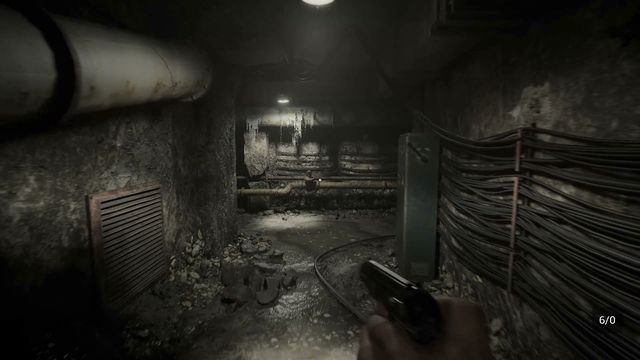
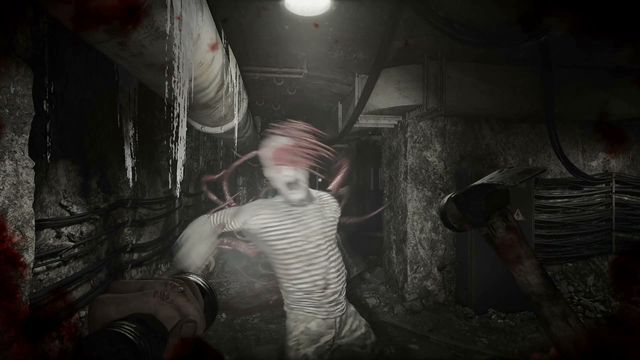
Nature of Dread is built around first-person exploration of a hostile settlement, fighting creatures that adapt to your tactics, and managing a small, realistic arsenal where every shot and every piece of gear matters. The studio describes four pillars: atmosphere, adaptive threats, weapon handling and survival-horror dread.
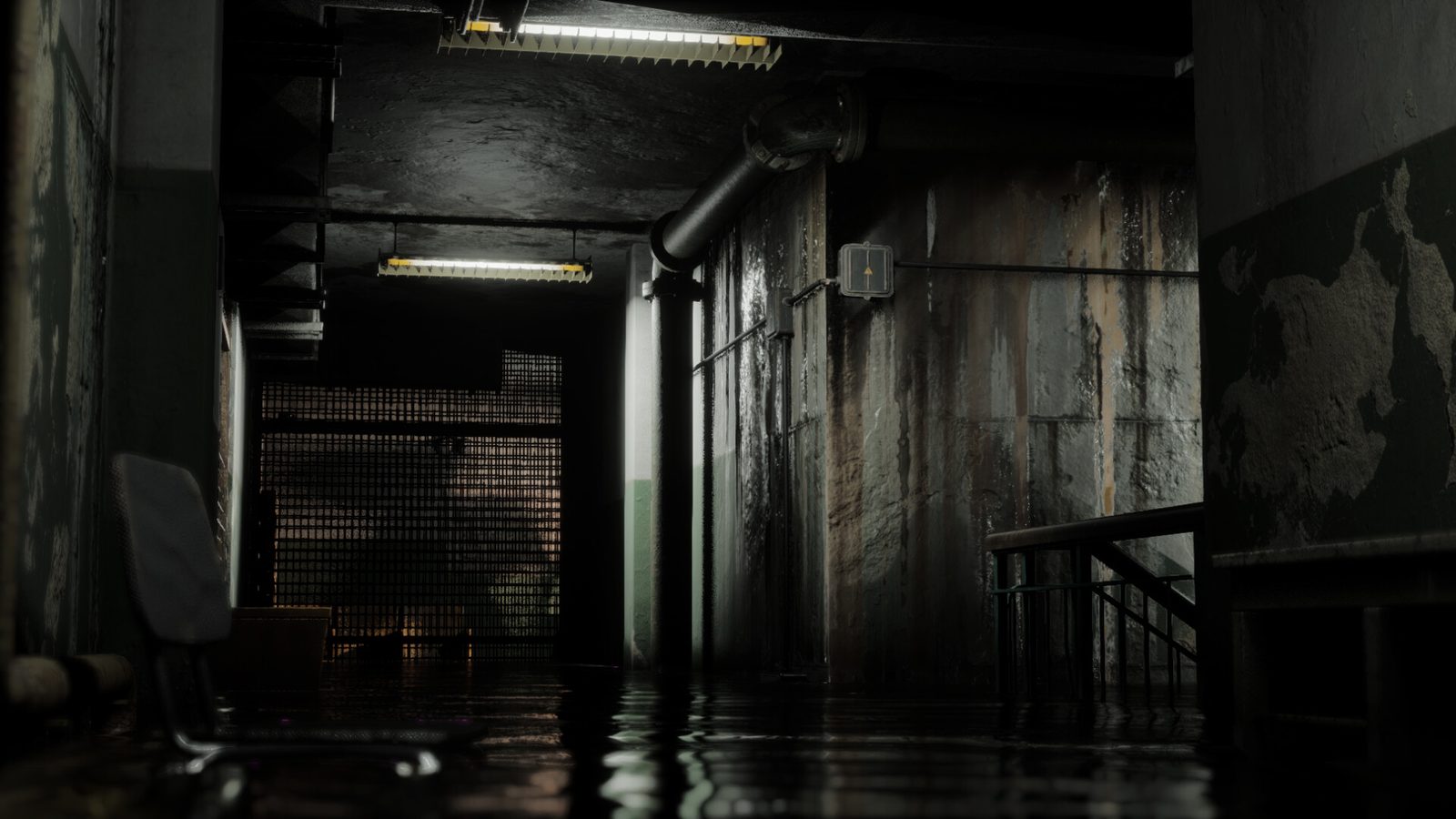
Nature of Dread plays as a first-person survival-horror game with real combat in it. You explore a sealed settlement, you fight things that live there, and you do it with a small, improvised arsenal where every item you carry has a cost. The studio's four advertised pillars describe the loop without ever naming a mechanic, so this page translates them.
The loop, as far as it can be read
Nothing on the store page describes objectives, quests or map structure. What it does describe is a set of pressures, and those pressures imply a loop:
- Move through a hostile place. Exploration is first-person and continuous; the trailer never cuts to a menu, a map screen or a third-person view.
- Read the space before you commit. The listing's emphasis on gear choice and resource management only makes sense if entering a space is a decision rather than a formality.
- Fight, or avoid fighting, at a cost. Weapons are realistic and improvised, which means engagements consume something you cannot easily replace.
- Come back with information. The settlement is built around containment and study; the trailer shows item prompts, locked doors and recorded material, which points to a loop where what you learn is as valuable as what you carry.
That is the shape of a systemic horror game rather than a linear campaign. It is also the shape that produces the kind of player stories the studio is clearly hoping for.
Pillar one: atmosphere as a mechanic
"Step into the bone-chilling silence of the northern forests" is a sound-design claim, not a graphics claim. The pillar is called Deep Atmospheric Storytelling, and the store page says every location and every character carries weight.
In practice, atmosphere-as-mechanic means the environment is doing work: telling you where you are, what happened here, and whether you are alone. The trailer supports this — the outdoor sections are almost entirely environmental, with long holds on trees, mist and buildings rather than action.
The risk in this pillar is pacing. Games that sell silence often mistake slowness for tension. The counterweight on this listing is the combat pillar, which suggests the quiet is there to make noise mean something.
Pillar two: adaptive enemies
"Its creatures hunt with cunning intent — they learn, adapt, form packs, and change tactics the moment they sense your next move."
This is the most consequential sentence on the store page. If it is accurate, three habits follow immediately:
- Do not repeat a winning tactic in the same area. Repetition is what the system is described as reading.
- Assume retreat is being tracked. Pack behaviour plus adaptation means a corridor you cleared is not a corridor that stays cleared.
- Treat noise as information you are giving away, not just a stat on your character.
The enemies page goes deeper on what this means for approach, but the summary is that the game is advertising an opponent that remembers.
Pillar three: weapons that behave like objects
"Feel the difference between a jury-rigged sawed-off shotgun and a standard-issue military pistol."
Two weapons, two philosophies. The sawed-off is improvised — short range, enormous noise, likely fragile, probably the kind of thing you make rather than find. The service pistol is manufactured, precise and almost certainly scarce in ammunition.
The store page also mentions a knife that bites into flesh, catches on bone, or slips from blood-slick fingers. That is a claim about melee being physical and unreliable, which is the opposite of how most horror games handle a blade — usually it is the safe, silent option with no downside.
If melee can fail, then every close engagement has a real failure state, and the decision to conserve ammunition becomes genuinely difficult. Combat and weapons works through the trade-offs.
Pillar four: the horror register
"Experience an authentic, soul-freezing descent into a world of absolute darkness, where nightmares are born."
"Absolute darkness" is a design commitment with practical consequences. It means light is a resource and a vulnerability — you need it to see, and using it tells anything nearby where you are. The trailer's interior sections are lit almost entirely by a handheld source, which is consistent with that.
The pillar also says the fear is "distilled from the greatest works of dark fiction and sharpened through modern survival-horror design". Translated: literary influences, modern pacing. That combination is why the game looks like a folk-horror story and plays, on the evidence available, like a systemic survival game.
How to prepare for a first run
You cannot practise a game that is not out, but you can set expectations correctly, and that is most of the work.
- Plan to fight, not to flee. The system is built around weapon handling and resource decisions; a pure stealth approach is contradicted by the marketing.
- Plan to be short of ammunition. The realistic-weapons pillar exists to make scarcity felt.
- Plan around comfort settings before you start. Camera comfort and adjustable difficulty decide whether a horror game is playable for you — see Accessibility and controls.
For the footage these conclusions come from, What the gameplay trailer shows walks through it in order.