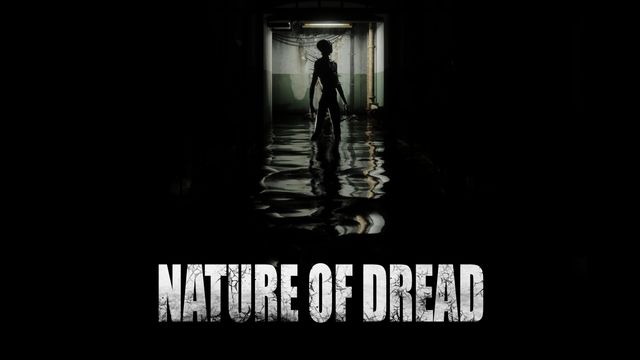
What is Nature of Dread?
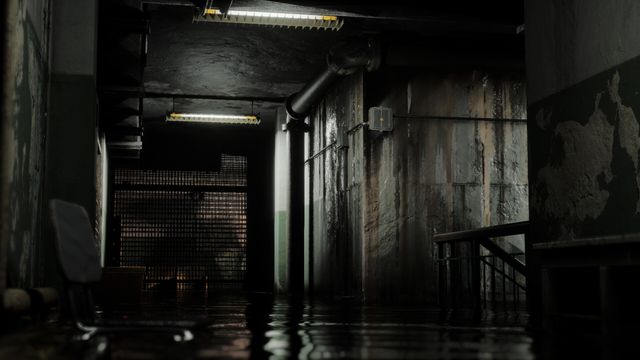
Nature of Dread is a single-player, first-person action-horror game in which you wake up trapped inside Hellhole, a sealed settlement built to contain an ancient evil. It is in development for Windows on Steam, with the release date still listed as to be announced.
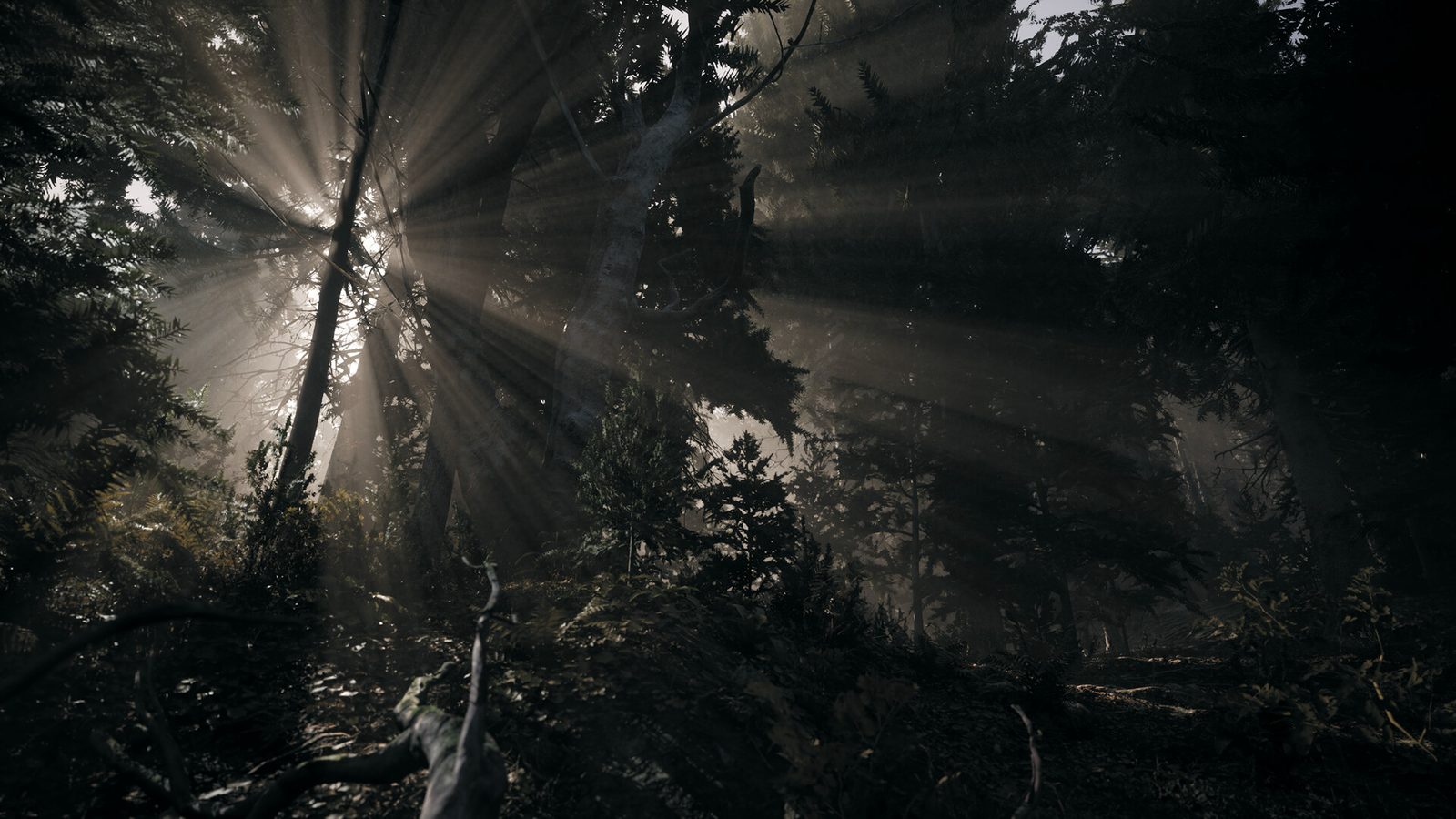
Nature of Dread is a first-person action-horror game built around a single hostile place. You wake up in Hellhole, a settlement constructed as humanity's last line of defence in a war that has run for more than a thousand years, sealed off from the outside world, and buried under so much classification that the truth about it is described as being under several layers of secrecy. You did not come here on purpose.
That is the whole premise, and it is a good one, because it removes the two things that usually flatten horror games: you are not a professional sent to handle this, and you are not in a position to leave.
The basic shape
The Steam listing is short but unusually specific about what the game is made of. It is first-person throughout, played alone, tagged Action and Adventure, and set on Windows. The studio, Nature of dread Team, describes four pillars on the store page, and each one maps to a different part of play.
| Pillar | What the store page claims |
|---|---|
| Deep atmospheric storytelling | Layered story, every location and character carries weight, northern forests, a "blood-soaked ball", beings worthy of the Four Horsemen |
| Threats that evolve and strike back | Creatures that learn, adapt, form packs and change tactics when they sense your next move |
| Realistic weaponry system | Improvised shotgun versus service pistol, a knife that bites flesh and catches bone, gear and resource management |
| Eternal dread reborn | Absolute darkness, nightmares, drawn from dark fiction and modern survival-horror design |
Read those four together and a genre position falls out. This is not a stealth-horror game where the correct answer is always to hide, and it is not a shooter with horror lighting. It is a survival-horror game where combat exists, is expensive, and is meant to feel like a decision rather than a reflex.
What the words on the page actually commit to
Marketing copy is written to be unfalsifiable. Three phrases on this listing are not, and they are worth holding the studio to.
"They learn, adapt, form packs, and change tactics the moment they sense your next move." That is a mechanical claim. It means enemy behaviour is reactive rather than scripted, and it means the same fight should not play out the same way twice. If the released game has fixed patrol routes and predictable aggro, this sentence was decoration.
"Feel the difference between a jury-rigged sawed-off shotgun and a standard-issue military pistol." Also mechanical. It promises that weapons differ in handling and reliability, not in a damage number on a card. Improvised versus service-issue is a specific design axis: one is brutal and fragile, the other is precise and scarce.
"The knife blade biting into flesh, catch on bone, or slip from blood-slick fingers." That is a claim about animation and feedback. It is the sort of thing that either exists in the build or does not, and it is the reason the trailer is worth watching with sound.
What it is not
The listing is as informative in what it omits as in what it says.
- No co-op, no multiplayer, no PvP. Single-player is the only mode listed, and there is no multiplayer tag anywhere on the page.
- No console versions. The platform block lists Windows only.
- No procedural-generation claims, no roguelike structure, no build-crafting language. The progression axis the page emphasises is gear and resources, not skill trees.
- No sequel framing. There is no earlier Nature of Dread to play first, and nothing on the listing refers to one.
Who is making it
Nature of dread Team is listed as the developer, and the publisher field reads TBA — which usually means self-publishing or an agreement not yet announced. The official site is a single-page presence with a teaser, a wishlist link, a Telegram channel and a contact address. The studio's Steam announcement is signed by a community account and refers to itself as "our small indie team". That is the honest scale of this project: a small team, a first public showing, and a store page that went up in the same week as the trailer.
Where it sits next to its neighbours
Two comparisons will follow this game everywhere, and only one of them is fair.
The fair one is with survival horror that treats combat as a resource problem — the tradition where ammunition is a budget and every encounter is a withdrawal. The weapon paragraph, the resource-management line and the adaptive enemies all point there.
The unfair one is with the "cursed village" subgenre of walking simulators. Nothing on the listing supports a game where you cannot fight. The page talks about gear choices and knife handling in the first four paragraphs.
How to use this site
If you want the release situation, go to Release date and platforms. If you want the setting, Hellhole and the northern wilderness collects every place and force the studio has named. If you are trying to work out whether the game will feel good to play, How Nature of Dread plays and Combat and weapons are the two pages that matter, and What the gameplay trailer shows is the closest thing to footage notes that exists.